Which battery type is best for my application (golf cart, marine, RV, solar, mobility, industrial)?

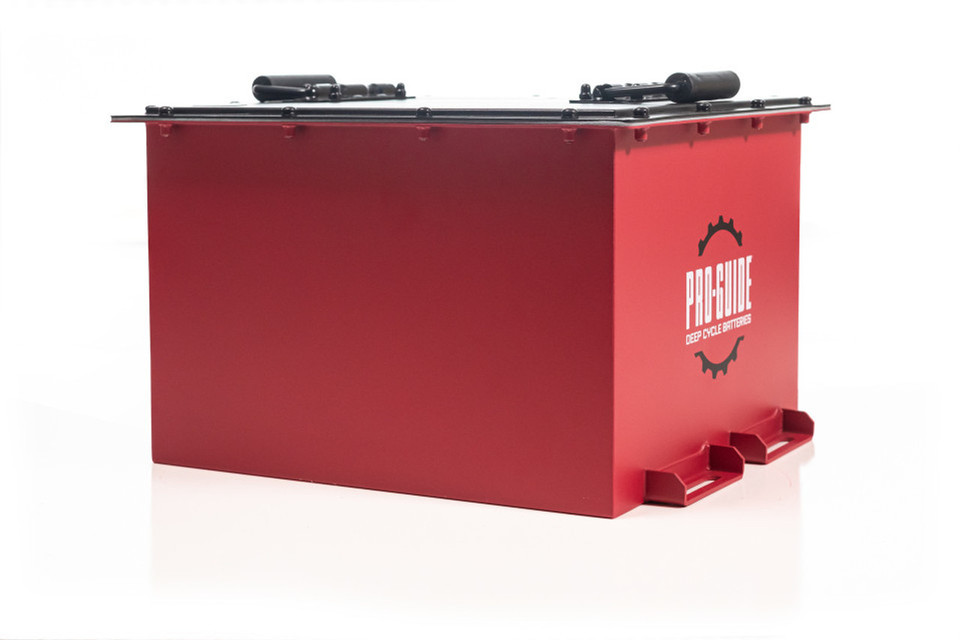
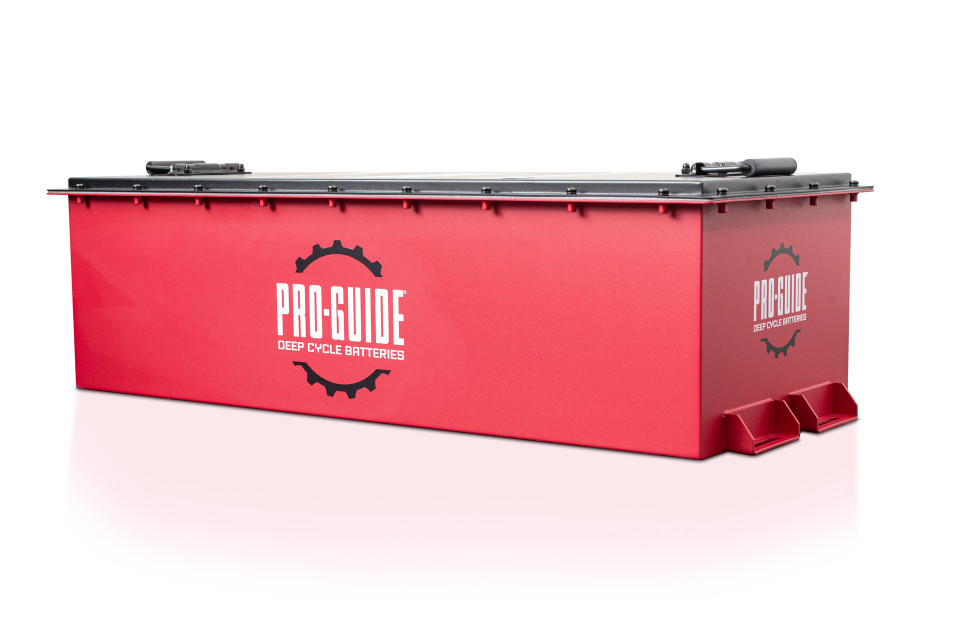
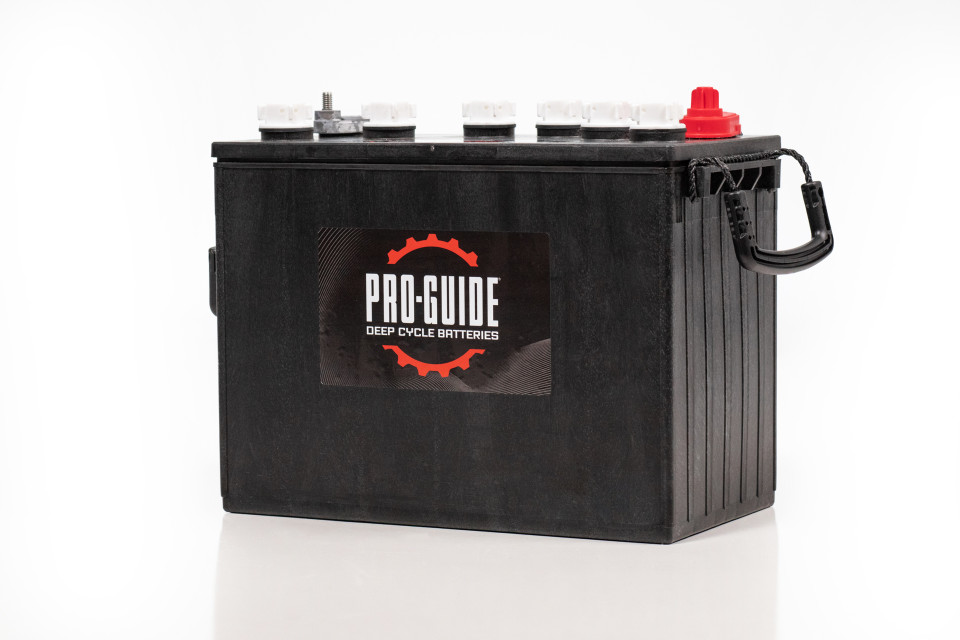
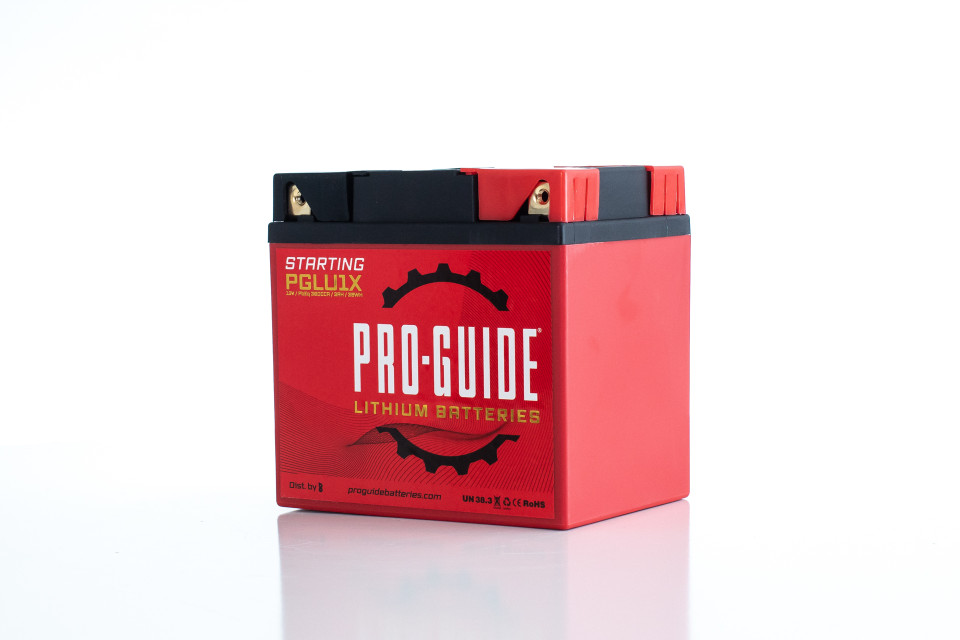
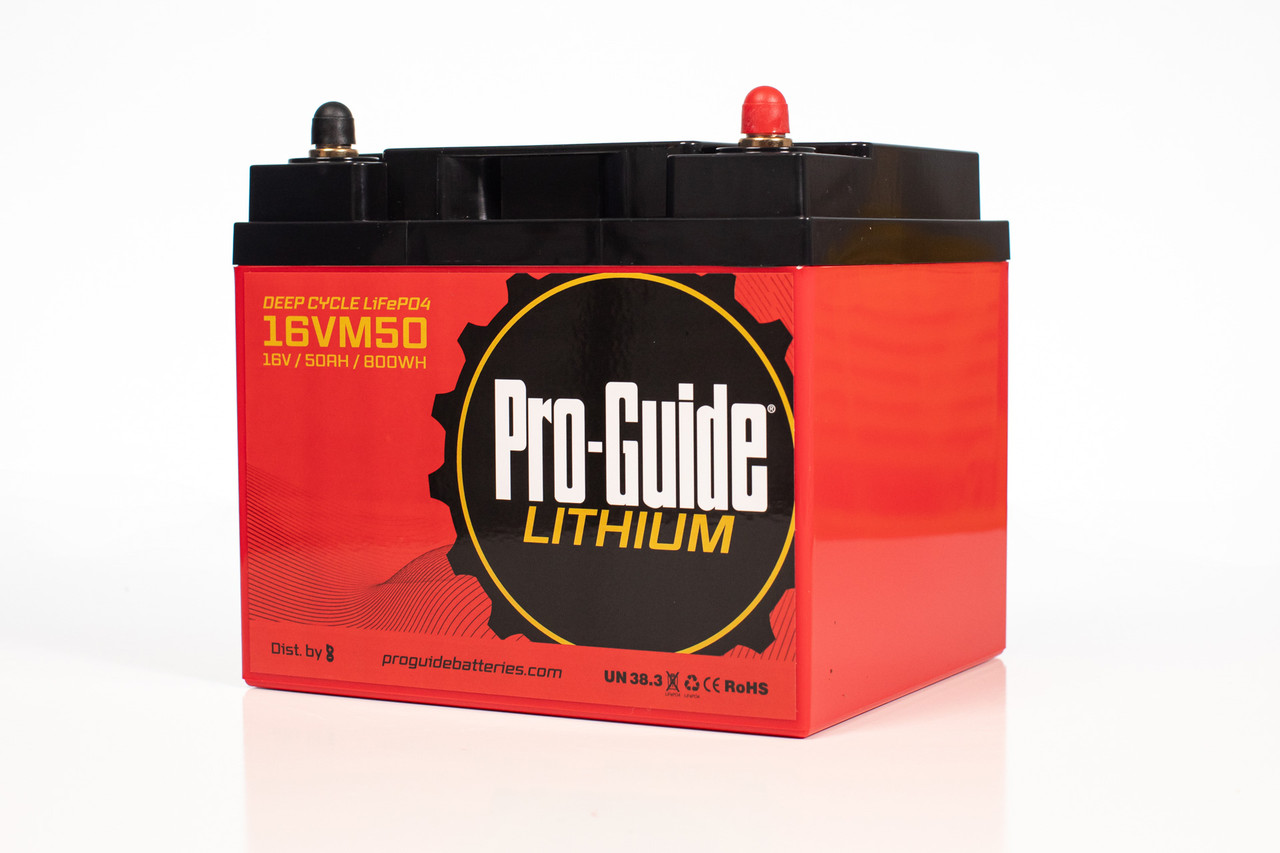
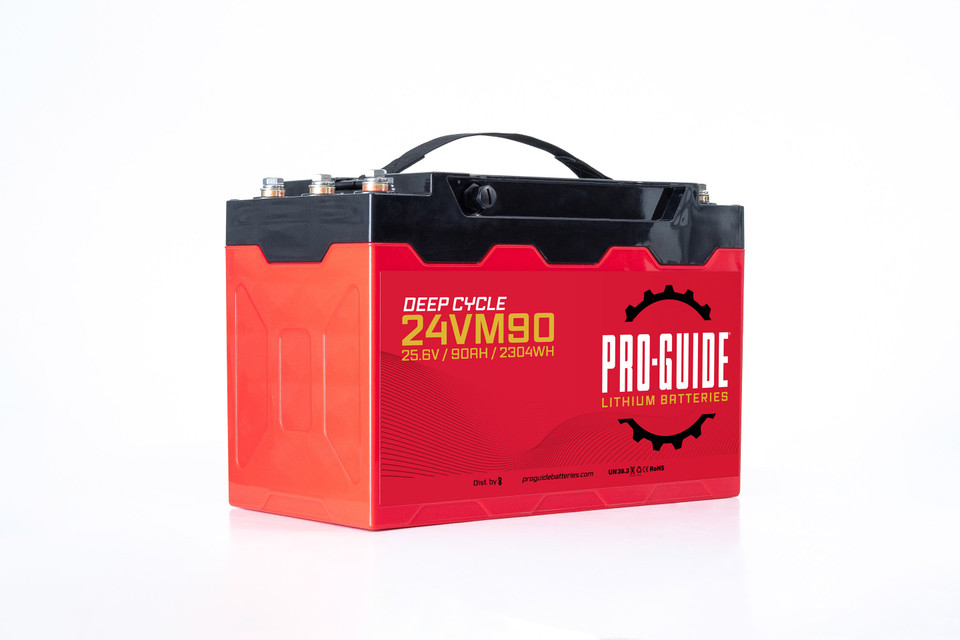
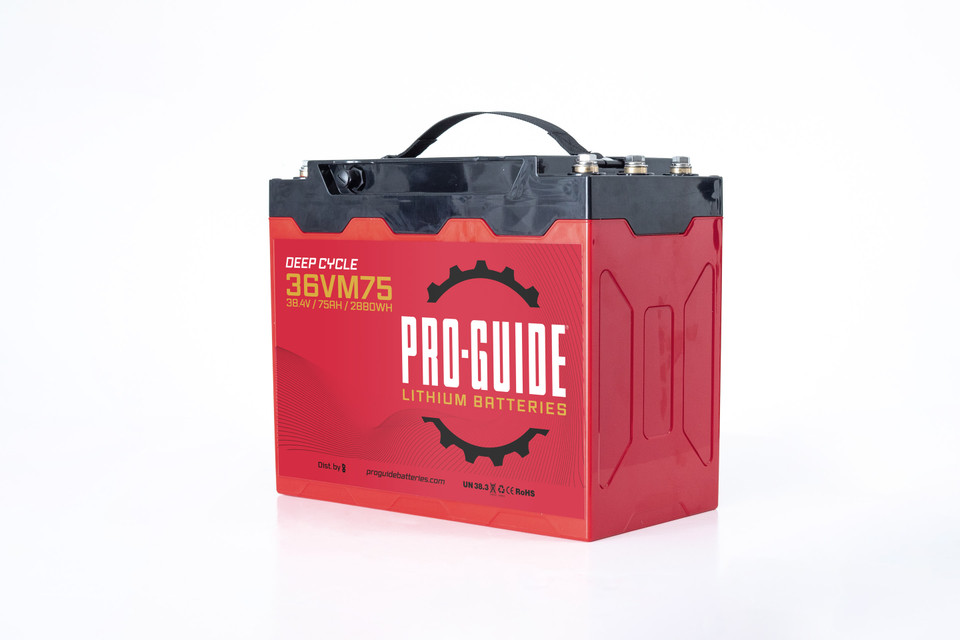
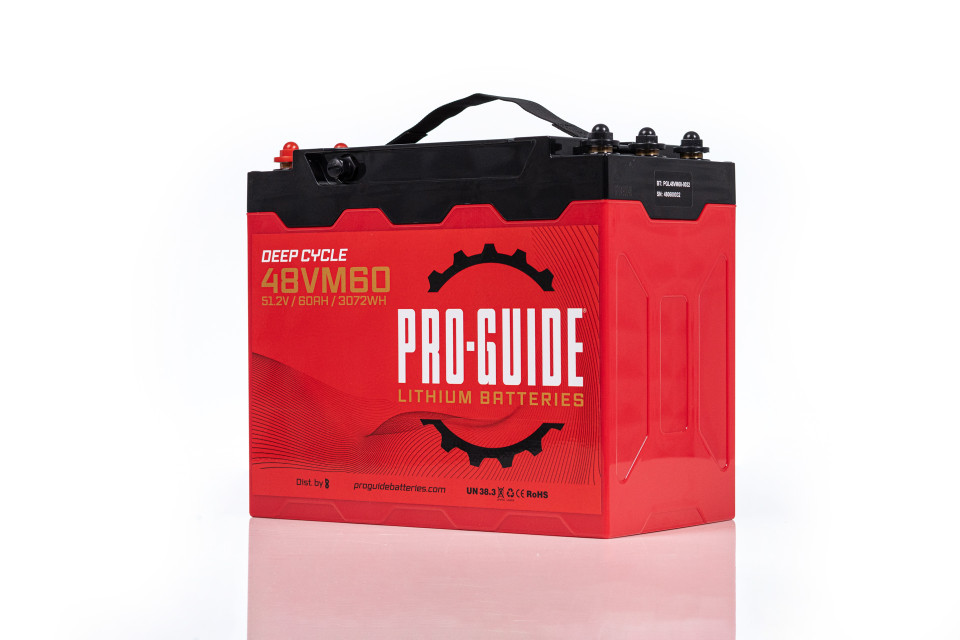
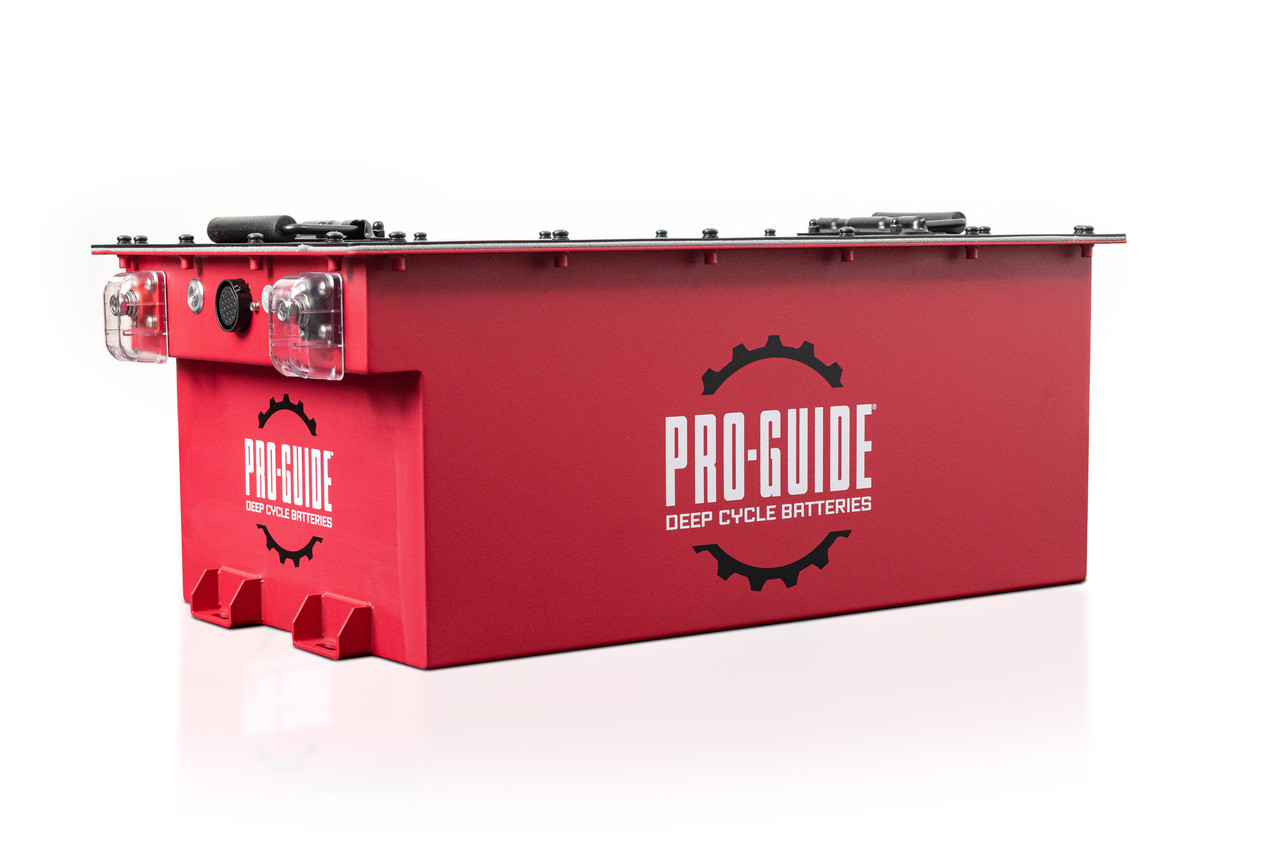
The best battery depends on use: Lithium (LiFePO₄) offers longest cycle life (2,000–5,000 cycles), lightweight design, and high usable capacity, making it ideal for golf carts, RVs, marine, and solar. AGM/SLA are cost-effective, maintenance-free options for backup or starter needs, though cycle life is shorter. Flooded lead-acid works well for industrial or solar setups where maintenance is manageable. Always match voltage, dimensions, and charging compatibility to your system.
How long will my battery last?
Battery life means runtime (hours per charge) and lifespan (years/cycles). Runtime = (Voltage × Ah) ÷ Load. Example: a 48V 100Ah battery (4,800Wh) running a 1,000W motor lasts ~4.8 hours at 100% DoD. LiFePO₄ delivers 2,000–5,000 cycles; AGM/SLA typically 300–1,000. Calendar life averages 8–12 years for lithium and 3–7 for lead-acid.
How do I choose the right battery size?
Match voltage to system requirements (12V, 24V, 48V). Calculate daily energy use: load (W) × hours. Convert to Ah: Wh ÷ Voltage. Factor usable capacity: ~90% for lithium, ~50% for lead-acid. Add 10–20% margin for inefficiency.
Can I replace SLA/AGM with lithium?
Yes, but confirm compatibility. Voltage should match, and chargers must support LiFePO₄ profiles. Lithium needs a built-in BMS for protection. Ensure dimensions and terminals fit. Upgrading often gives double usable capacity, faster charging, and 3–5× cycle life.
What charger should I use and how long does charging take?
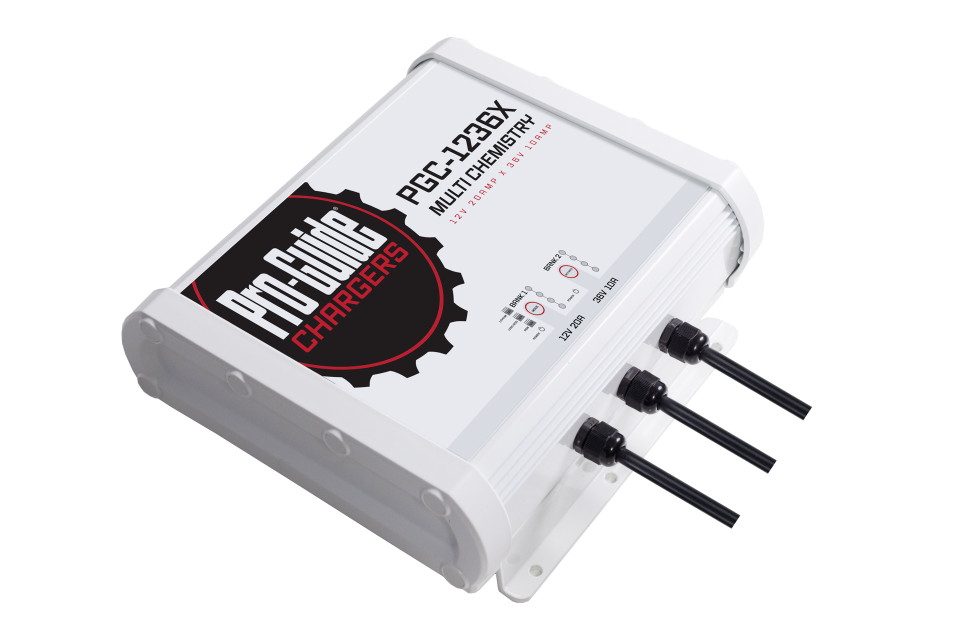
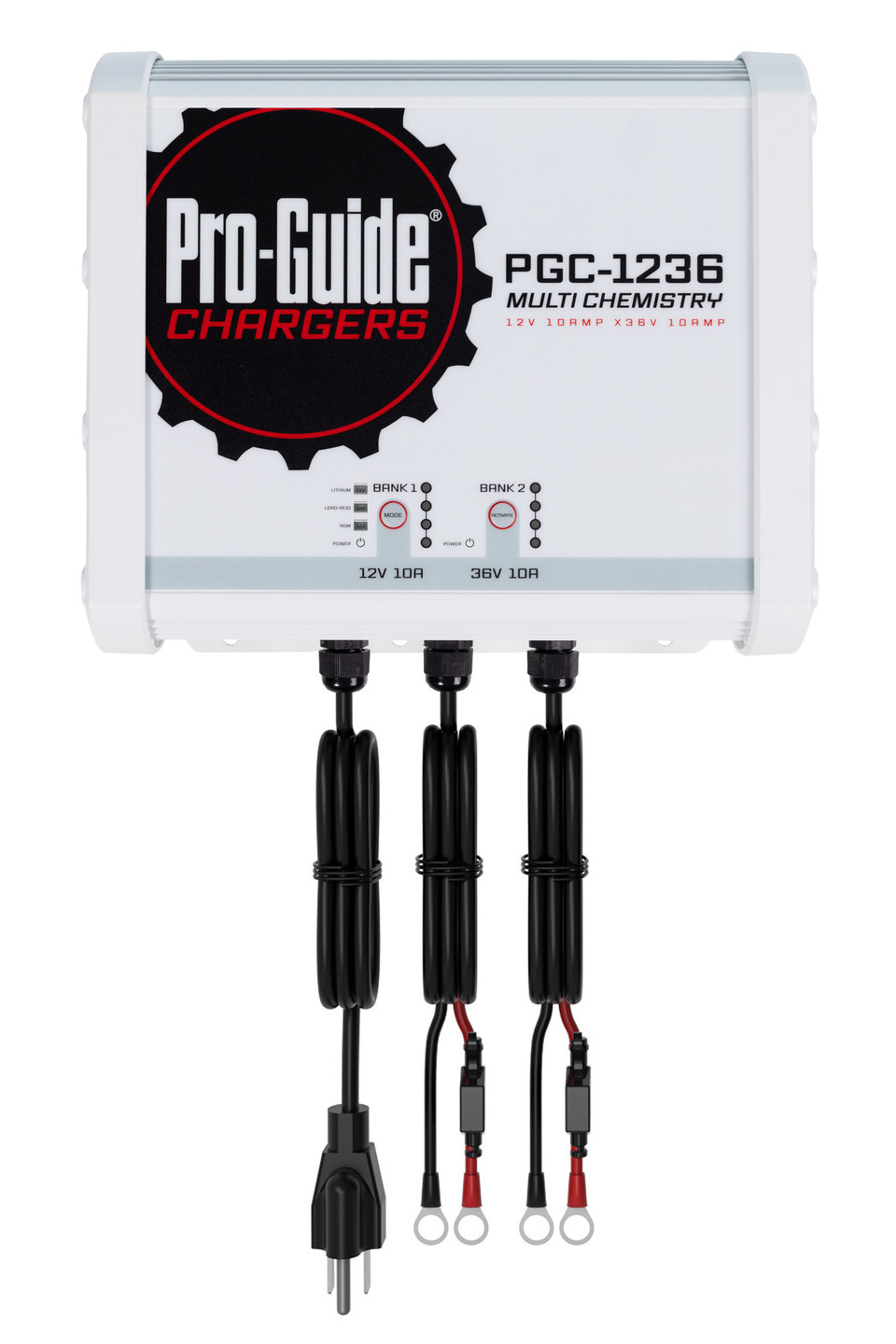
Use a LiFePO₄ charger for lithium; smart 3-stage chargers for AGM/SLA. Charge time ≈ Battery Ah ÷ Charger Amps. Example: 100Ah ÷ 20A ≈ 5 hours. Lead-acid typically takes longer due to absorption phase.
How do I maintain my battery
For lithium: keep within safe charge/discharge limits, avoid extreme heat, and store ~50% charged if unused. For AGM/SLA: avoid deep discharges, recharge promptly, and check flooded cells for water. Clean terminals and use proper chargers.
What’s the difference between deep-cycle and starter batteries?
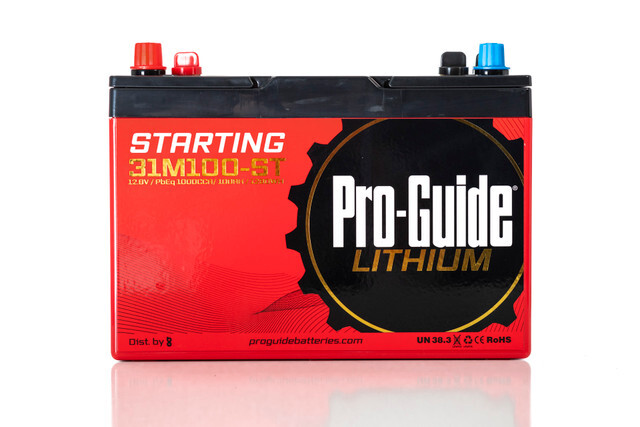
Starter batteries deliver short, high current bursts (e.g., cranking engines) but tolerate few cycles. Deep-cycle batteries provide steady power over long periods and withstand frequent discharges, making them ideal for RVs, boats, solar, and golf carts.
How do I size a battery bank for solar, boat, or RV?
Calculate daily energy needs (Wh). Multiply by desired days of autonomy. Divide by usable DoD (50% lead-acid, 90% lithium). Convert to Ah using chosen voltage (Wh ÷ V). Add 10–20% margin for inverter losses.
Are SLA/AGM batteries safe?
Yes, when used properly. SLA/AGM are sealed and spill-proof, but avoid overcharging or heat. Flooded types need ventilation and water refilling. Always recycle old batteries responsibly. LiFePO₄ is even safer due to stable chemistry.
How do I test a battery and spot failure signs?
Check resting voltage (12V SLA should read ~12.6–12.8V). Perform a load test to see if voltage drops sharply. Flooded types can be checked with a hydrometer. Signs of failure include swelling, leaks, overheating, or inability to hold charge.
How long does charging take?
Formula: Charge hours ≈ Battery Ah ÷ Charger A. Example: 100Ah ÷ 20A = 5 hours. Lead-acid may take longer due to inefficiencies; lithium is faster and more efficient. Always use the recommended charger profile.
What specs matter most when comparing batteries?
Key specs: Voltage, Ah, chemistry, cycle life, DoD, charge/discharge rates, warranty, dimensions, weight, BMS features, and certifications. For quick decisions, compare energy (Wh = V × Ah) and cycle life at specific DoD.


 1-800-827-3232